20 HANDY WAYS FOR CHOOSING WINDOWS 11 OEM VENDORS
The Guide To Upgrading Windows 7 And Office Licensing.
Windows 7 support ended in April 2008, however it was more than just an end to an operating system. It also marked the end an time for software licensing and administration. For individuals and businesses clinging to `windows 7`, the upgrade path to Windows 11 is not a simple re-installation–it’s a migration to a fundamentally different digital paradigm. This new paradigm includes everything, from how Windows 11 lizenz purchases are made to the way Office functions and how users work. The traditional world of one-time purchases, physical media and isolated software suites has been replaced by cloud-integrated subscriptions and digital licenses, and ecosystem-wide security. To navigate this change, you must be aware of the ten intersections that are present between traditional practices and current necessities. The decisions you make about your OS directly influence on the productivity suites as well as security capabilities and future scaling.
1. The Hardware Gauntlet: Your First and most important step.
Windows 11 hardware needs to be installed before you consider purchasing it (TPM 2.0 and Secure Boot with a modern CPU). This test is not able to be completed on all Windows 7 machines, particularly ones that are older than 2017. This isn’t just an excuse for a Microsoft money-making scheme, it’s also a requirement for security. These security features are the “hardware base of trust”, on which third-party protections, such as Kaspersky Premium and Windows Defender rely. Bypassing these requirements through non-official ISO modifications creates a unstable and unsupported system, that negates the security benefits that the upgrade offers. You are left more vulnerable than you were in Windows 7.
2. License Migration Myth: Windows 7 Keys are (mostly) outdated.
In the past, it was possible to utilize an activation key for Windows 7 Pro. Windows 7 Pro activation key for Windows 10. This time-frame for grace periods with Windows 11 is now over. Windows 7 OEM licenses aren’t applicable to Windows 11 installations if your hardware is outdated. The new version will be a new start. The search for “windows 11 license” is a brand-new purchase. You will need to understand the retail vs. OEM world.
3. The Office Licensing Revolution: From Standalone To Ecosystem
If you’re using Office 2010 or 2013 on Windows 7, you’re used to a perpetual “office lizenz”`. The current version, Office 2021, is an outdated product from day one–it gets security patches but no new features. Microsoft 365, the subscription-based upgrade for productivity, has become currently the preferred option. This is a significant change. It’s not only about the upgrade of Office. You get a cloud identity with Azure AD, 1TB OneDrive and the ability to collaborate in real-time. The old tradition of purchasing a “office licensing every 10 years should be reevaluated in favor of an ongoing operational expense that will include continuous updates and other services.
4. Security is not a secondary concern. It’s the time to shift the mindset.
Windows 7 was likely a platform where you used an antivirus software from a third-party, like the old Norton 360. Windows 11 is a game changer. Windows Security, which comes with Windows 11 is now an integrated cloud solution that is of the highest standard. Installing your old third-party security suite can cause problems with performance and conflict. The time to upgrade is the best to evaluate. Do you need a separate security suite like Kaspersky Premium, necessary, or will Defender and the most recent hardware capabilities suffice? It depends on what your threat model is, but it’s no longer essential to purchase a separate antivirus.
5. The Clean Install Imperative and Data Migration Strategy
Upgrades from Windows 7 to Windows 11 are not supported. Unstable installations can cause. This must be done as a clean installation. This will force a controlled data migration. It is time to move your local drives to cloud backups. Microsoft 365 is included in the subscription. The configuration of Known Folder Move – to backup Desktop, Documents or Pictures during setup, transforms data migration, from a manual procedure, into a seamless and ongoing cloud-based, synchronized process. Data is no longer tied to a PC, instead, it becomes more user-focused.
6. The Professional Feature Crossroads – Pro is now the Minimum.
If you used Windows 7 Professional for domain join, BitLocker, or Remote Desktop hosting, you must purchase `windows 11 pro`. It is not a good option to use a Windows 11 home key for professional or business purposes. Home is missing BitLocker as well as Group Policy Editor. It is ineligible to join domains and is unable to encrypt information. Windows 11 Pro with a Microsoft 365 Business Subscription or a Retail License is the best option for anyone who wants to make the switch from Windows 7 Pro.
7. Beware the Grey Market Siren Call During the transition.
The urgency to upgrade fast and the sticker-shock of new licenses lead people to search for bargain “windows11 oem” keys on grey market. It is an error that could have devastating consequences in an upgrade. These keys are unreliable and can leave the user with an untrue foundation just as you’re building the new system. A retail license or subscription which includes Windows (like Microsoft 365 Business) gives you security and immediate support as well as a future upgrade path. The cost of a grey-market important factor is the loss of your time and data when it’s removed.
8. Cloud-based Future-Proofing – The Server Connection
Windows 7 machines that were part of domain networks will likely be replaced by a server such as windows 2025. Windows 11 Pro and a familiarity with “cals” (Client access licenses) are necessary for modern integration. The cloud alternative is Azure Active Directory, included with Microsoft 365 Business plans. It is up to you decide whether you wish you want to move to Windows 7 and continue to invest heavily in on-premises servers and CALs. Or do you decide to switch to a cloud-based Identity and Device Management (Intune) through the monthly subscription? Both licensing and cost structures differ in a fundamental way.
9. Driver Archaeology and the Need to Have a Modern Hardware Base
Windows 7 was successful because of a huge library legacy drivers. Windows 11 relies on the latest drivers from Windows Update, many of that are cloud-based. Windows 7 is often the only device which can run special hardware. A thorough assessment of compatibility with hardware is necessary as part of the assessment of upgrade. It is often the case that the upgrade actually requires new hardware. Therefore, a brand new computer with Windows 11 OEM is the most efficient secure, stable, and reliable choice.
10. A shift in mindset from Ownership to Management and access.
In the end, upgrading to Windows 10 is a paradigm change. It’s about moving from a piece of software that is static (windows 7 DVD or Office 2010 box) or subscribing to an ongoing service that is constantly updated, or purchasing a license with strict transfers rules. You switch from an antivirus attached to a hardware-based protection. Data is moved from local storage to cloud. Embracing this holistic change–through authentic Windows 11 Pro licenses, a Microsoft 365 subscription, and using modern security is the only way to ensure that the upgrade will not just provide an updated OS but also a durable, modern, and manageable computer foundation for the coming decade. Have a look at the top windows 11 kaufen for more recommendations including office2019 download, microsoft office download, office key, microsoft office 2019, key 365 office, windows office, outlook software download, microsoft visio software, key 365 office, visio software download and more.
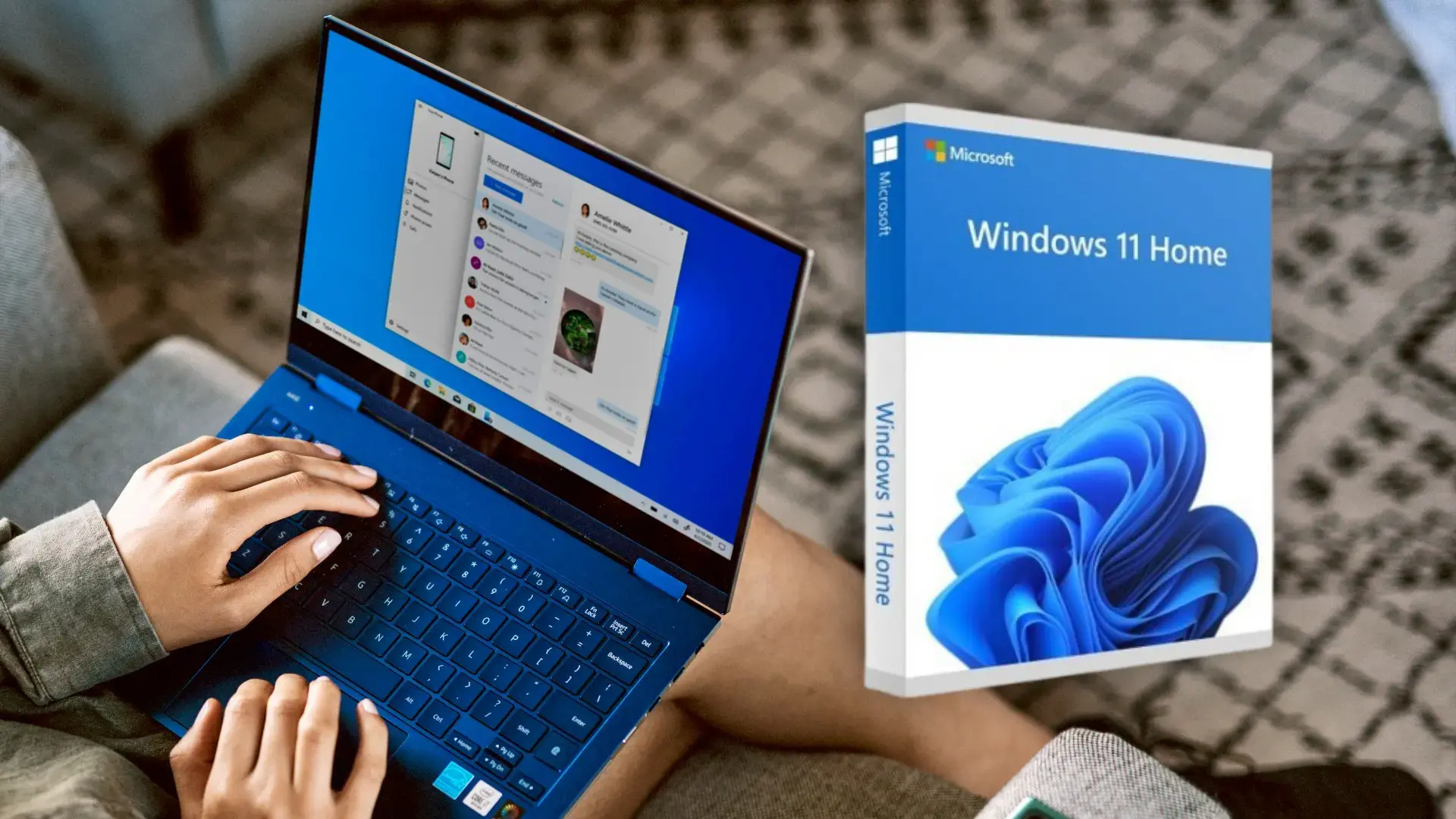
The Real Cost Of Software – Why Windows Licences And Antiviruses Save The User Money.
In the digital economy the desire for short-term savings on software could cause a long-term financial crisis. It is a mistake to buy a low-cost “windows 11 OEM” key on a grey market site, or to skip a solid antivirus, such as Kaspersky Premium in an effort to save some money. The price of software, and not its cost is its total Cost of ownership. This is the sum of downtimes, data breaches and compliance fines during its lifetime. An authentic “windows 11 license” as well as a high-quality security suite aren’t expenses for companies or users who are serious as they are investments in infrastructure that have a tangible return on investment. This report reveals the ten hidden cost centers which create the “cheap” option extremely costly, connecting the dots from OS licensing to the server infrastructure and productivity software.
1. The Grey Market License – It’s Not an Asset!
If you purchase a Windows 11 license from an unauthorized vendor and you are responsible for it, it is your responsibility. Microsoft can disable the keys in bulk, which typically are bulk licenses or MSDN keys that do not comply with the conditions. The initial cost is a non-functional OS, but the true cost is the unfunded crisis which includes the time spent on IT work to recover information, the expense of purchasing a valid license at the retail price, and the business downtime when a crucial workstation becomes an impediment. This dwarfs the 30 percent “savings” on the first key. A legitimate license, whether retail or obtained from an authorized OEM, is a stable asset that is dependable for the duration of the hardware.
2. OS Integrity is the determining factor for the effectiveness of Security Software.
Antivirus suites, like Norton 360 or Kaspersky Premium, operate at the kernel, and need the uncompromising and reliable base. The grey market Windows installation typically uses modified activation scripts or system files to avoid validation. These modifications themselves can be detected and cause instability to security suites or, even worse, create backdoors to make antivirus ineffective. When you hire a security professional who has a good level of security (kaspersky) is placing him in a criminally hacked building. The security guard’s efficiency is ruined due to the corroded foundation.
3. Compliance & Audit Time Bombs: A Risk for Business.
A business that is not licensed is playing Russian Roulette using audits. If a business is running Windows Server 2025 and its client PCs are running gray-market Windows without cals the audit will result in the issuance of a true-up bill for the full cost of each desktop license that is not legitimate, plus penalties. The unexpected and unplanned capital expenditure could be the tens of thousands of dollars. It will outweigh all savings previously made. This is a huge financial shock that can be prevented by obtaining a legal license.
4. Data Costs of Loss: The Unbudgeted Ultimate Cost
Insecure vulnerabilities that are not patched are the most common source of ransomware. Windows Update mechanisms are frequently damaged or delayed for non-original Windows installation. Security vulnerabilities increase when security patches don’t get applied in a timely fashion. The cost of a single ransomware attack, which comprises the ransom fee (with no guarantee that it will ever be paid) and the expense for the forensic IT services and lost data along with the interruption to business, can put an individual company in financial ruin. The combined costs of a genuine Windows 11 Pro license and a top-tier antivirus subscription is a minimal monthly charge against this multi-million dollar risk.
5. Productivity Suite Instability on the Fake Base.
Installing a legitimate office lizenz on a non-genuine Windows system, be it a perpetual office lizenz or a Microsoft 365 Subscription, is an extremely risky move. Office activation and software updates depend on the integrity of the Microsoft ecosystem. Windows that has been deactivated may prevent Office from activating, leading to a lower number of functional banners. It could also trigger cloud sync problems and crashes. If the OS is built to fail and then the investment in productivity software will be unwise. A solid OS is crucial for stable productivity.
6. The IT Multiplier for a Stack that is Fragmented Unofficial.
It can be a challenge to manage a number of computers equipped with different grey-market products, mixed antivirus and no central administration. Every issue is not addressed and requires a considerable amount of time to diagnose. Consider a fleet with legitimate Windows 11 Pro licenses, controlled by Intune (included in Microsoft 365 Business) and centrally-managed security console. The latter drastically reduces the average time required to fix an issue (MTTR). Software licenses that are less expensive can cause exponentially more costly ongoing labor costs.
7. The upgrade path has come to an end and the future cost
There is no way to upgrade your system legally with a grey market Windows 11 Home (or Pro key). You’ll need to purchase another full license, usually at a higher cost, when it comes time to upgrade your equipment or install an entirely new Windows Server 2025 computer. An active Retail License is transferable. Microsoft 365 comes with continuous upgrade rights. The key that is cheap traps you into a cycle of repurchasing. The genuine option provides a simple, cost-predictable path forward to protect your initial investment.
8. Performance Taxes of “Bargains” Software, and Conflicts.
In order to activate grey-market Windows, illicit tools often execute persistent background processes that use CPU and RAM resources. This is incompatible with legitimate software and security tools. The “performance tax” is a slowdown for trading platforms, development environments, as well as creative suites. The time lost to slower performance–compounded over months and years–represents a significant, hidden cost in lost human productivity. A clean, legitimate system makes sure that all hardware resources are devoted to your work.
9. Professional Reputation and Client Trust Ruins
If you are a business, using unlicensed software is a professional liability. If a customer or partner discovers that your business has cut corners on foundational software and trust is damaged irreparably, it can be irreparably damaged. It demonstrates that you are not concerned about safety, legality and integrity of operation. When it comes to funding bids, or in the course of due diligence to be eligible for funding, it could be a reason to disqualify. Costs include lost contracts, broken partnerships and damaged brands all of which are greater than the fees associated with software licensing.
10. The benefits of a comprehensive ecosystem is greater than. a collection of “savings”.
For companies, the most effective option is to establish an ecosystem that is legitimate and includes all your applications and services. For businesses it is usually Microsoft 365 Business Premium: It offers legitimate Windows 11 Pro (through upgrade rights) as well as the most recent Office applications and 1TB of secure cloud storage, business email, and advanced device security and management, all at a reasonable monthly per-user cost. This eliminates the grey market Windows (windows11 buy) as well as the separate office lizenz purchases and, sometimes, the requirement for separate third-party anti-virus because it is bundled with upgraded Defender. The TCO can be clear, easy to manage and legally valid. The “savings”, which come from the assembly of illegal parts are not real when contrasted with the real costs of risk, labor, and loss. Follow the most popular office lizenz kaufen for site info including windows office, office 365 key, office 2016, microsoft office with key, office 2016, ms office 2016, windows server software, ms office 2019, windows server 2019, ms project and more.
